
Retail, restaurant, and hospitality low-voltage systems
Technology infrastructure for customer-facing spaces that cannot afford unnecessary downtime.
Apollo Technology & Cabling helps Chicago-area restaurants, retail stores, bars, hospitality spaces, and customer-facing commercial properties plan and install the cabling, Wi-Fi, cameras, AV, displays, and access systems that daily operations depend on.
From POS connectivity and guest Wi-Fi to surveillance, menu boards, audio, displays, access control, and network hardware, Apollo plans low-voltage systems around business hours, customer areas, staff workflows, and long-term serviceability.
Serving restaurants, retailers, bars, hospitality spaces, shopping centers, franchise locations, and commercial operators across Chicago, Chicagoland, and surrounding Northern Illinois communities.
Retail and restaurant technology support
What low-voltage systems do restaurants and retail spaces need?
Restaurants, retail stores, bars, hospitality spaces, and customer-facing commercial properties often need reliable cabling, business Wi-Fi, network hardware, surveillance cameras, audio systems, displays, menu boards, access control, and practical technology planning. Apollo Technology & Cabling plans and installs these systems around customer areas, staff workflows, POS connectivity, business hours, downtime limits, and long-term service needs.
Operational systems
POS connectivity, staff Wi-Fi, guest Wi-Fi, network hardware, low-voltage cabling, displays, menu boards, and audio systems that support daily business activity.
Security and visibility
Commercial cameras, access control, entry visibility, parking lot coverage, storage area monitoring, and practical security planning for customer-facing spaces.
Built around business hours
Apollo plans work around open hours, customer traffic, staff movement, kitchen or service areas, tenant constraints, and the need to reduce unnecessary downtime.
Customer-facing spaces have different constraints
Retail and restaurant systems have to work during real business hours.
Restaurants, retailers, bars, and hospitality spaces rely on technology while customers, staff, deliveries, vendors, and service teams are moving through the building. A poorly planned cable path, weak Wi-Fi area, camera blind spot, or unreliable display can create friction during the busiest parts of the day.
Apollo plans low-voltage work around the realities of customer-facing spaces: open hours, service counters, dining areas, kitchens, stockrooms, entrances, patios, parking lots, checkout areas, and network equipment that may not have been planned cleanly when the business first opened.
- POS and payment systems need reliable network paths.
- Guest and staff Wi-Fi should be planned around real coverage areas.
- Cameras need useful views of entrances, registers, storage, patios, and parking areas.
- Displays, menu boards, paging, and audio should be serviceable after installation.
- Work often needs to be phased around open hours, staff access, and customer traffic.
Common systems
Retail and restaurant locations usually depend on more than one system working correctly.
Customer-facing spaces often combine network connectivity, cameras, displays, sound, access control, and cabling in tight or active environments. Apollo helps plan those systems so they support daily operations instead of creating service calls, downtime, or workarounds.
POS and payment connectivity
Reliable cabling, switches, network drops, and equipment placement help support registers, handheld ordering devices, payment terminals, kiosks, and back-office systems. See structured cabling.
Staff and guest Wi-Fi
Wi-Fi coverage should account for dining areas, checkout lanes, patios, offices, stockrooms, kitchens, and customer waiting areas. See business Wi-Fi and network hardware.
Security cameras
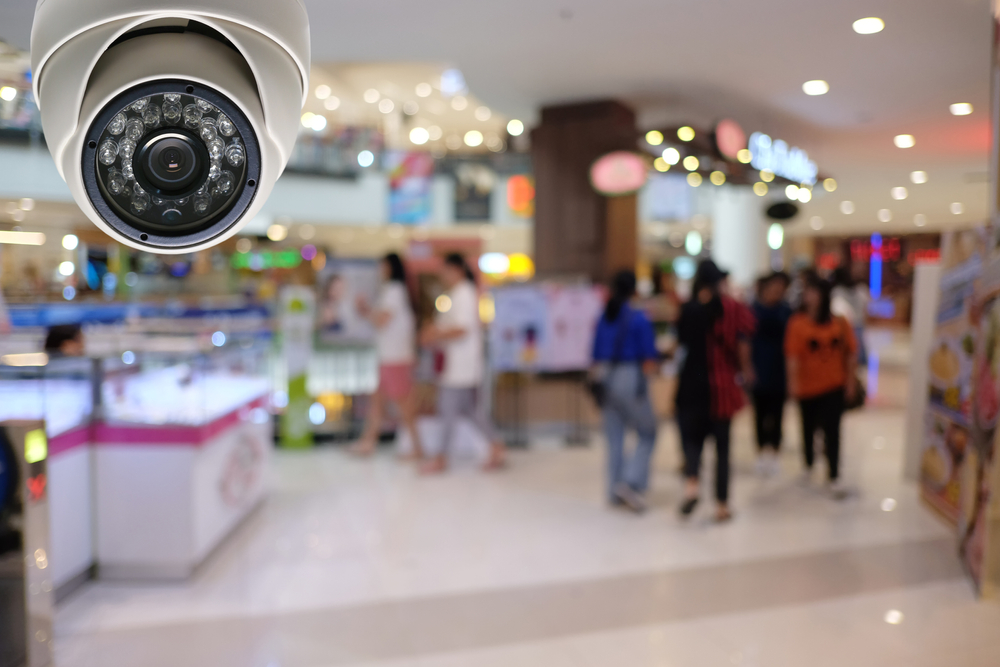
Camera placement should support useful views of entrances, registers, storage areas, delivery zones, patios, parking lots, and other areas where visibility matters. See surveillance systems.
Menu boards and displays
Digital menu boards, wall displays, training screens, and customer-facing video should be planned with power, cabling, mounting, service access, and content source locations in mind. See audio / video systems.
Audio and paging
Background music, paging, service-area audio, and zone control should be planned around ceiling layout, customer experience, staff use, and future maintenance. See commercial AV systems.
Access control and staff-only areas
Back doors, offices, storage rooms, delivery entrances, and shared tenant areas may need controlled access that fits the way staff and vendors move through the space. See access control and intercom systems.
Planning before installation
Good retail technology planning starts with how the space is used.
A restaurant or retail location is not just a floor plan. It has rush periods, staff routes, customer areas, vendor entrances, kitchen or stockroom constraints, and equipment that has to keep working after Apollo leaves the site. Apollo plans low-voltage work around those real operating conditions.
- Business hours and downtime limits Work often needs to happen before opening, after closing, during buildouts, or in phases that avoid interrupting customers and staff.
- POS, payment, and network dependency Registers, kiosks, ordering systems, back-office equipment, and payment terminals rely on clean network planning and dependable cabling.
- Customer areas and staff-only areas Dining rooms, checkout lanes, patios, kitchens, storage rooms, offices, and delivery entrances each have different visibility, access, and connectivity needs.
- Serviceability after installation Cameras, access points, displays, racks, switches, and cabling should be labeled and placed so future service does not turn into guesswork.
- Future changes New menu boards, added cameras, POS changes, franchise updates, remodels, and added devices are easier when the infrastructure is planned with room to grow.
Common project types
Retail and restaurant work is often tied to openings, remodels, service problems, or growth.
Apollo helps customer-facing businesses with new buildouts, retrofits, upgrades, replacements, and practical cleanup when older cabling or technology no longer supports the way the business operates.
New restaurant or retail buildouts
Planning and installation for cabling, network hardware, cameras, Wi-Fi, displays, audio, access control, and other systems before opening day.
Remodels and tenant improvements
Low-voltage updates during layout changes, counter moves, dining room changes, patio additions, checkout changes, or back-of-house improvements.
POS, Wi-Fi, and network reliability fixes
Cleanup and improvement work when dropped connections, weak coverage, poor equipment placement, or messy cabling start affecting daily operations.
Camera, display, and audio upgrades
Surveillance improvements, menu board additions, display mounting, background audio, paging, and AV updates for customer and staff areas.
Apollo can also help when the project is not fully defined yet. A site walk can clarify what is already in place, what is causing problems, and which improvements should happen first. For planning help, see Technology Advisement.
Plan before problems interrupt the business
Need retail or restaurant technology infrastructure planned around real operations?
Apollo Technology & Cabling helps Chicago-area customer-facing businesses plan and install the low-voltage systems that support daily operations, customer experience, security, connectivity, and future service.
Useful for restaurants, bars, retail stores, hospitality spaces, franchise locations, shopping centers, tenant buildouts, and commercial operators throughout Chicago and the surrounding suburbs.